
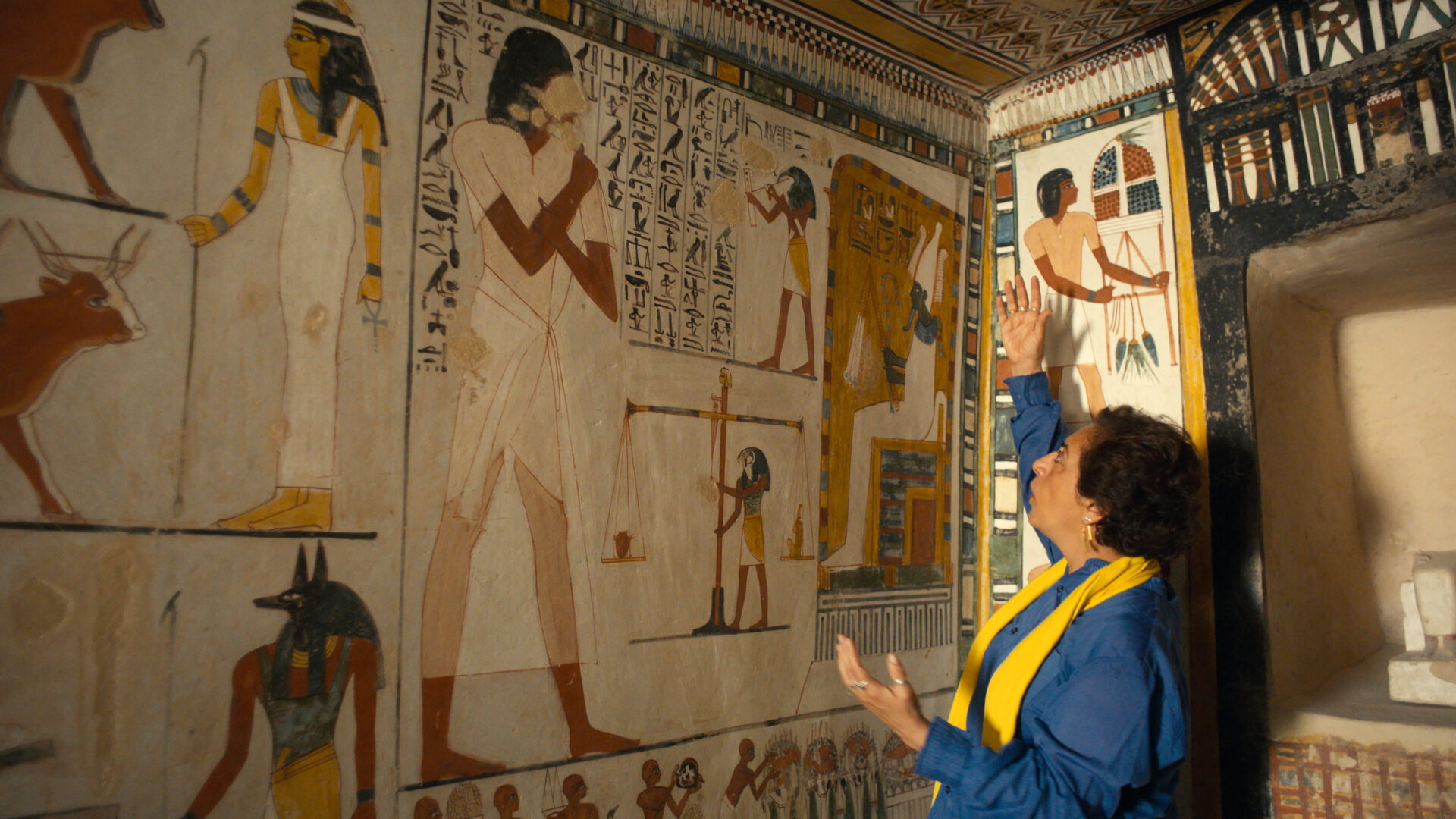
The 19th century saw one of history’s most feverish intellectual and imperial rivalries: the scramble to unearth, claim and carry away the monuments of ancient Egypt. Raiders of the Lost Pharaohs arrives on Viasat History with its first season, using dramatic reconstruction and 3D visuals to chronicle the age when European powers turned the Nile Valley into a contested ground of discovery, ambition and outright plunder.
When Europe Descended on the Nile
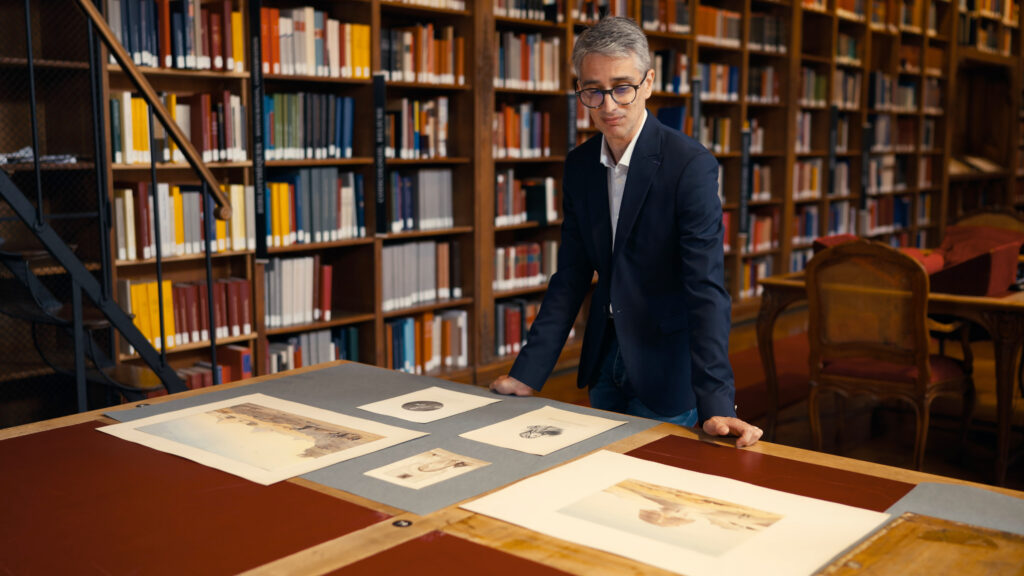
Napoleon’s 1798 Egyptian campaign did more than reshape military history. It ignited a continental obsession with pharaonic civilisation. The French scholars who accompanied the expedition documented temples, tombs and hieroglyphs with unprecedented rigour, publishing their findings in the monumental Description de l’Égypte. Within decades, British, French, Italian and German agents were competing openly, and sometimes violently, for Egypt’s most coveted antiquities.
The Fine Line Between Discovery and Plunder
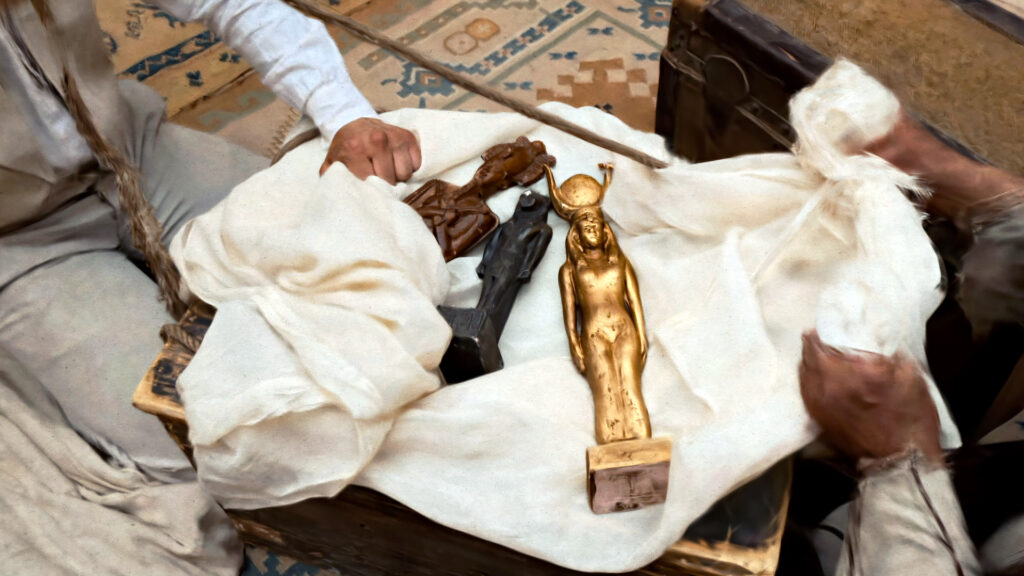
What separated a pioneering Egyptologist from a looter was often a matter of perspective and patronage. Giovanni Belzoni, a former circus strongman turned antiquities hunter, forced his way into tombs with crude methods and moved the colossal bust of Ramesses II known as the Younger Memnon to the British Museum for the British consul, Henry Salt. Meanwhile Jean-François Champollion, who used the Rosetta Stone to decipher hieroglyphs in 1822, argued for preserving Egypt’s monuments, though he also took pieces back to France himself. The tension between those two impulses runs through the whole period.
Consuls, Collectors and Conservators
Auguste Mariette is perhaps the most complex figure of the era. He founded Egypt’s Antiquities Service and the museum that became the Egyptian Museum in Cairo, protecting sites from foreign removal, yet his own excavations would be considered deeply invasive by modern standards. Henry Salt, the British consul-general, openly used his position to build collections that were later sold to the British Museum and the Louvre.
How the Antiquities Race Shaped Modern Egyptology
The competitive frenzy of the 19th century produced genuine scholarship alongside its depredations. The decipherment of hieroglyphs, the first surveys of the Valley of the Kings and the beginnings of institutional archaeology all emerged from this turbulent period. Today’s debates over repatriation, including Egypt’s ongoing efforts to reclaim objects held in European museums, are a direct legacy of decisions made during this era.
Where to Watch
- Watch on:
- Mondays to Fridays
- 2 November 2026 – 9 November 2026
- 22:00 CET
- See the full TV schedule
FAQ: Egypt’s 19th-Century Antiquities Race
Q: Were 19th-century Egyptologists considered scientists or treasure hunters at the time?
A: Both, depending on who was asked. Many worked as agents for consuls and collectors, while scholars debated their methods fiercely. The line between careful excavation and opportunistic extraction was rarely clear.
Q: What happened to the antiquities taken from Egypt in this period?
A: Many ended up in major European collections such as the British Museum and the Louvre, where they remain today. Egypt has made repeated calls for the return of key objects, keeping the legacy of this era in the headlines.