

How did ancient civilisations raise monuments that still defy explanation? The fourth season of Ancient Superstructures, the landmark series arriving on Viasat History, confronts this question with unprecedented ambition – moving from satellite imagery down to the microscopic level to reveal the hidden logic behind structures that have outlasted every empire that built them. This is not mythology dressed as history. This is forensic investigation of some of humanity’s most astonishing achievements.
How the Series Rewrote Engineering History
Modern engineers routinely marvel at what ancient builders accomplished without cranes, computers or steel. This series takes that marvel seriously, applying contemporary scientific analysis to monuments like the Great Pyramid of Giza, the Colosseum and the temples of Angkor Wat. It reveals, for instance, that the limestone blocks of Giza contain microscopic shell fossils that helped researchers trace exact quarry locations – details invisible to the naked eye but critical to understanding ancient logistics on a monumental scale.
The Science Behind the Stone
What separates it from conventional archaeological documentaries is its multi-scalar approach. By combining satellite imaging with ground-penetrating radar and macro photography, the series exposes construction techniques that written records never captured. Ancient builders were not guessing. They were applying sophisticated empirical knowledge – of materials, weight distribution and seasonal flooding – that rivalled anything their eras produced in any other field.
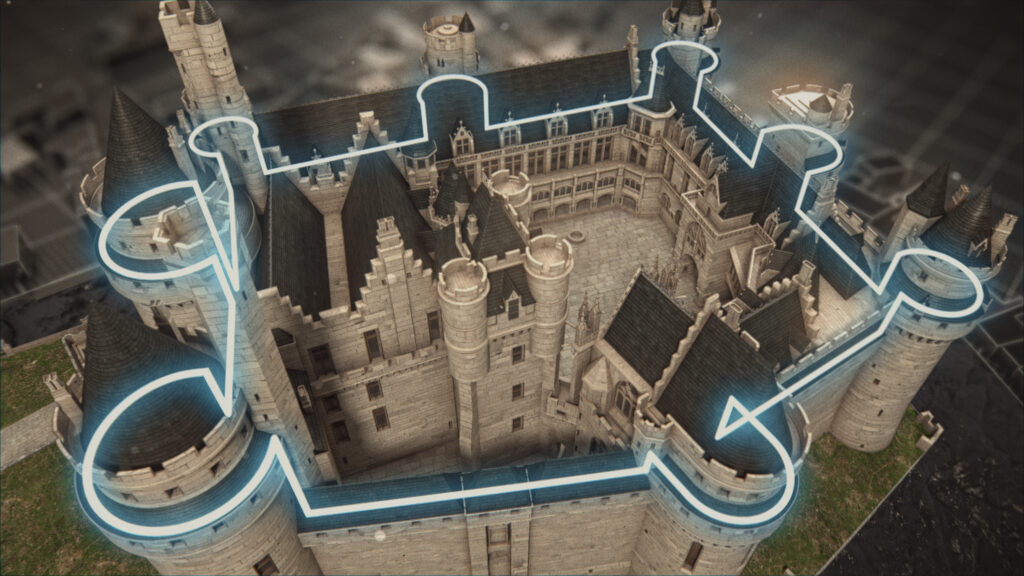
Understanding Ancient Ambition Through a Modern Lens
The structures examined here were never purely functional. The Pantheon in Rome, for example, was engineered so that its oculus projects a shaft of light precisely onto the entrance during the spring equinox – a deliberate astronomical alignment that doubled as a political statement about imperial power and divine favour. These buildings encoded meaning into mathematics, and the series decodes both simultaneously.
The Legacy of Civilisations Written in Stone
Every culture featured left a different architectural signature. The Mayans oriented their pyramids to track Venus. Roman concrete, with its volcanic ash aggregate, has actually grown stronger over two millennia – a fact that has driven 21st-century materials science research. These ancient innovations carry measurable modern resonance, making the case that studying them is not nostalgia but necessity.
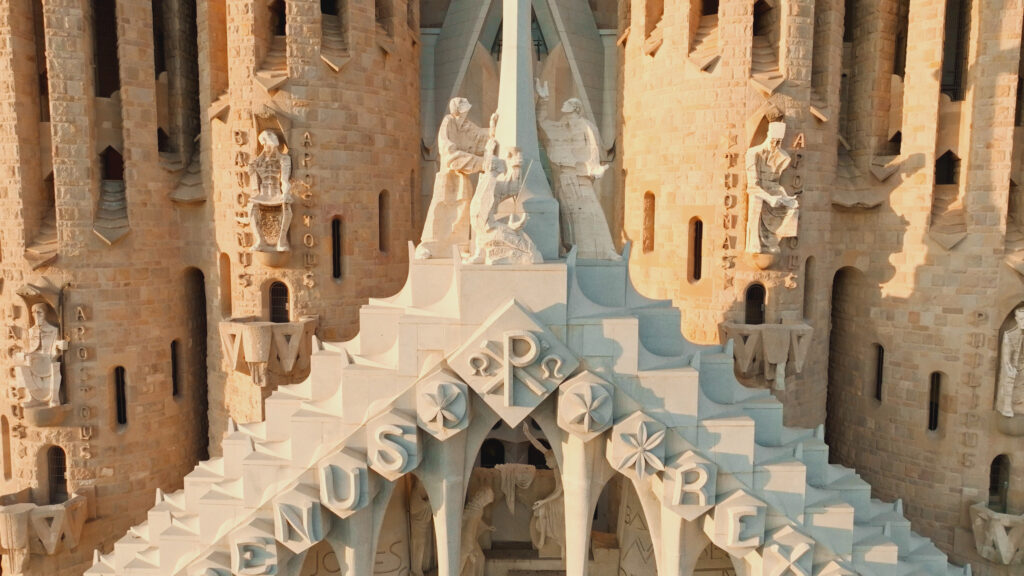
Where to Watch
Catch Ancient Superstructures on Viasat History according to the following schedule:
- Episode Premieres:
- Season 2
- Monday to Friday
- 7 September 2026 to 14 September 2026
- 22:10 CET
- Season 2
- See full TV schedule for additional dates
FAQ: Ancient Superstructures
Q: What makes it different from other archaeology documentaries?
A: The series uses a genuinely multi-scalar methodology – from orbital satellite imaging down to microscopic material analysis. This scientific range uncovers construction evidence invisible through traditional archaeological fieldwork, offering conclusions grounded in measurable data rather than historical speculation.
Q: Which structures does Ancient Superstructures examine?
A: The series covers globally iconic monuments including the Great Pyramid of Giza, the Roman Colosseum, Angkor Wat and the Pantheon, each investigated through cutting-edge imaging and materials science to reveal their true engineering complexity.
Q: Is Ancient Superstructures suitable for viewers without a technical background?
A: Absolutely. The series translates complex engineering and geological analysis into clear, compelling narrative, making sophisticated science accessible to any curious viewer genuinely interested in how the ancient world was built.