
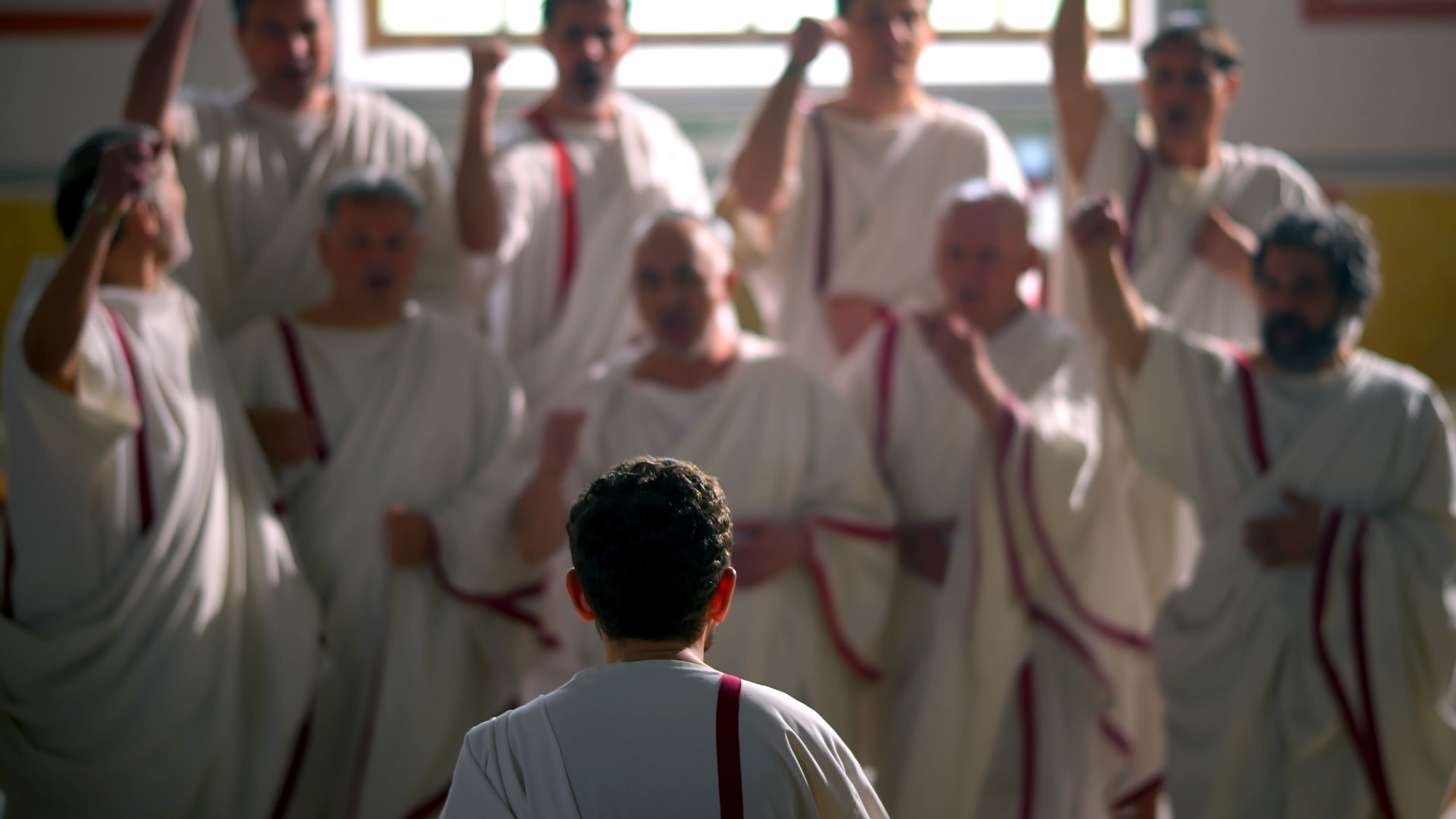
Few forces have altered the ancient world as decisively as betrayal. Ancient Betrayals, the gripping new series on Viasat History, pulls back the curtain on the conspiracies, murders, and acts of treachery that redirected civilisations – exposing motives that historians have only recently begun to fully understand. From palace coups to battlefield double-crosses, these are not simply stories of villainy. They are windows into power, ambition, and the fragile loyalties that held empires together.
The Untold Story of Ancient Conspiracies
History is written by survivors, which means the full truth of many ancient betrayals has been obscured for centuries. Ancient Betrayals reconstructs these hidden narratives with forensic care, drawing on archaeological evidence, surviving inscriptions, and reinterpreted ancient texts. What emerges is often more complex than simple treachery – many betrayals were acts of desperation, ideological conviction, or calculated political survival rather than mere greed.
How Double-Crosses Changed the Course of Empires
The ancient world ran on trust networks – oaths sworn before gods, alliances sealed by marriage, loyalty purchased through land and title. When those networks fractured, the consequences were catastrophic. Ancient Betrayals examines cases where a single act of treachery unravelled decades of political architecture. The assassination of Julius Caesar in 44 BC remains the most famous example, but the series deliberately reaches beyond the well-known to surface stories that mainstream history has long overlooked.
Motives Never Before Revealed
What makes Ancient Betrayals particularly compelling is its focus on motive. Ancient sources frequently recorded what happened without explaining why. Using comparative historical analysis and new scholarship, the series reconstructs the psychological and political pressures that drove individuals to betray kings, generals, and allies. The results reframe figures long cast as straightforward villains into something far more human and, arguably, more disturbing.
Understanding Ancient Treachery Through a Modern Lens
The resonance of Ancient Betrayals extends well beyond academic interest. The dynamics explored – institutional loyalty versus personal conscience, the corrupting pressure of proximity to power, the way fear manufactures treason – are immediately recognisable to contemporary viewers. Ancient Rome, Greece, Egypt, and Persia were not so different from modern political environments when it came to the mechanics of betrayal. That is precisely what makes this series essential viewing for anyone who takes history seriously.
The Legacy of History’s Most Shocking Betrayals
Each episode of Ancient Betrayals closes not with the act of treachery itself but with its long aftermath – the dynasties that collapsed, the wars that ignited, the cultural memory that preserved certain betrayers as monsters while quietly forgetting others. History, the series reminds us, is shaped as much by those who broke faith as by those who kept it.
FAQ:
Q: What civilisations does Ancient Betrayals cover? A: The series spans multiple ancient cultures, including Rome, Greece, Egypt, and Persia, examining how betrayal operated across different political and cultural systems. Each case is grounded in historical evidence and assessed with scholarly rigour.
Q: Is Ancient Betrayals suitable for viewers new to ancient history? A: Absolutely. While the series satisfies dedicated history enthusiasts, its narrative-driven approach and focus on human motivation make Ancient Betrayals highly accessible to anyone curious about the hidden forces that shaped the ancient world.