
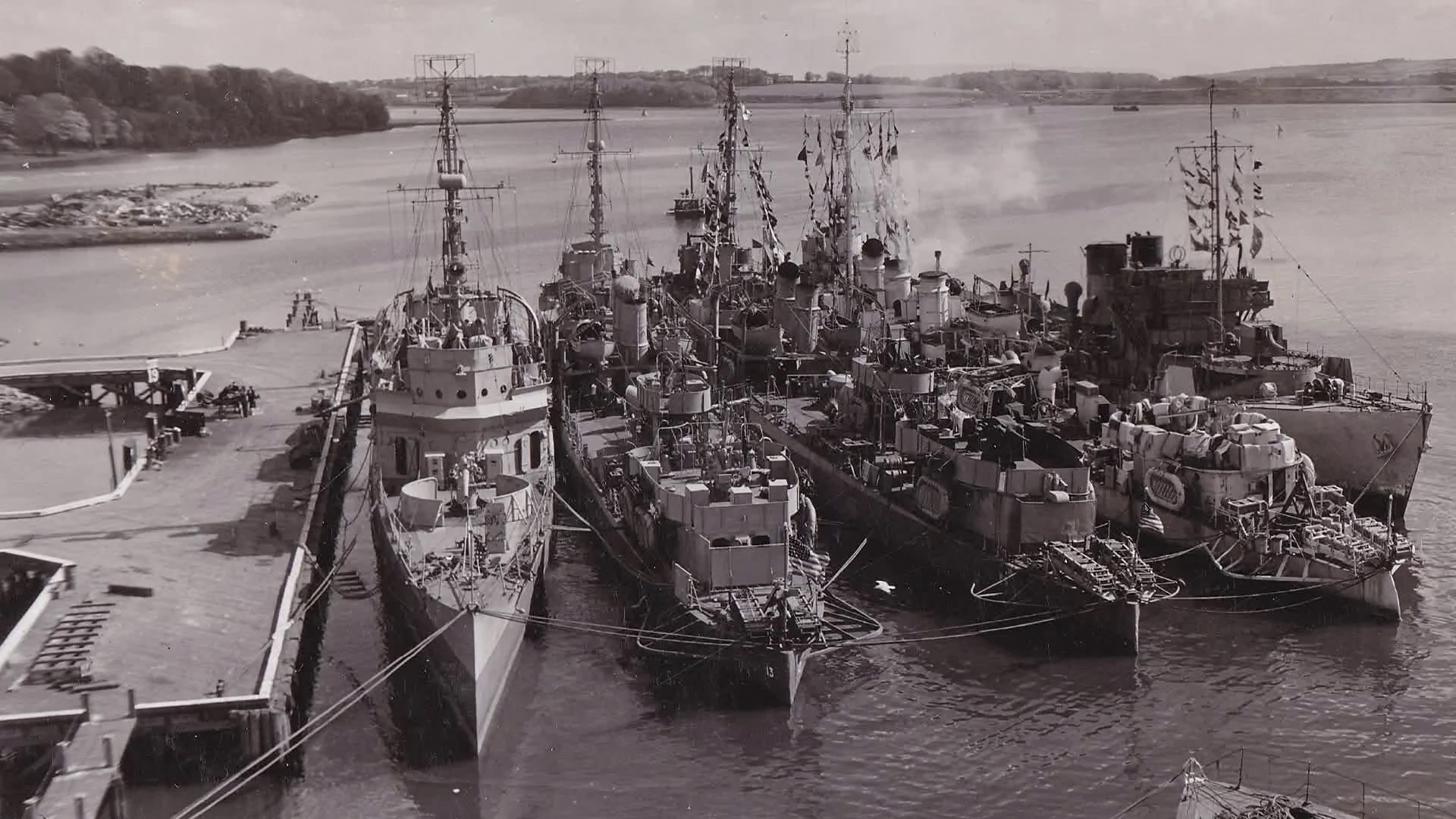
Few campaigns in the Second World War were as prolonged, as brutal, or as strategically decisive as the Battle for the Atlantic. Nazis, U-Boats and the Battle for the Atlantic brings this six-year underwater war into sharp focus, narrated by Michelle Fairley and directed by Des Henderson. Churchill famously admitted that the U-Boat peril was the only thing that truly frightened him during the war – and this documentary reveals exactly why that fear was so well-founded.
How the U-Boat Campaign Almost Won the War
Hitler’s submarine fleet was designed for one devastating purpose: to strangle Britain’s maritime lifelines. Nazis, U-Boats and the Battle for the Atlantic traces how German U-Boats prowled the ocean in coordinated Wolfpack formations, targeting Allied convoys carrying food, fuel, and ammunition across thousands of miles of open water. Between 1940 and 1942, merchant shipping losses were catastrophic, with some months seeing dozens of vessels sent to the ocean floor.
The Human Cost Beneath the Waves
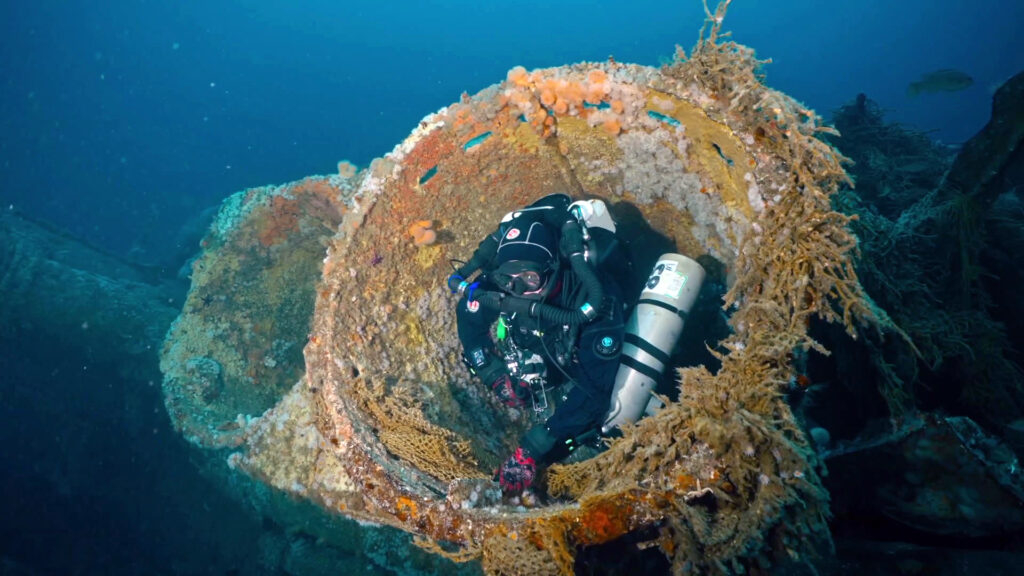
Behind the tonnage figures were men. Allied merchant sailors faced some of the most dangerous service of the war, with casualty rates exceeding those of most combat branches. German U-Boat crews, for their part, suffered a staggering 75 percent fatality rate by 1945 – the highest of any branch of the German armed forces. Nazis, U-Boats and the Battle for the Atlantic does not let viewers forget that this was a human war, fought in claustrophobic steel hulls beneath freezing Atlantic swells.
Understanding the Atlantic Battle Through Technology and Intelligence
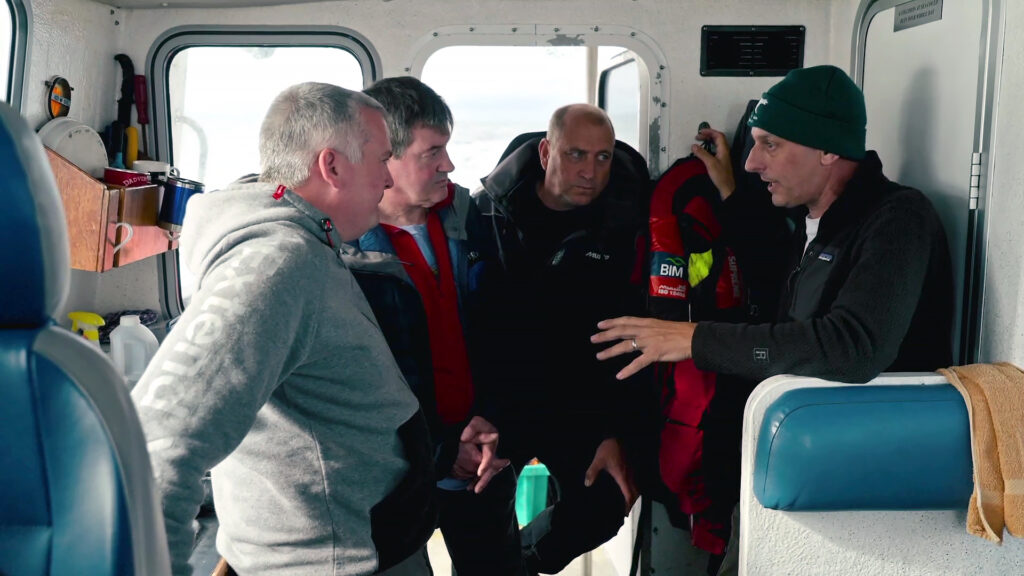
The tide of the Battle for the Atlantic turned not on heroism alone, but on science and codebreaking. The Allied cracking of the Enigma cipher, combined with advances in radar, long-range aircraft coverage, and coordinated convoy escort tactics, progressively dismantled Germany’s submarine advantage. By May 1943 – Black May to the Kriegsmarine – the U-Boat fleet lost 41 submarines in a single month, forcing Admiral Donitz to withdraw his forces from the North Atlantic.
The Legacy of Nazis, U-Boats and the Atlantic Campaign
The Battle for the Atlantic shaped the postwar world in ways still visible today. It demonstrated the decisive role of logistics and sea power in modern warfare, influenced NATO’s strategic doctrine throughout the Cold War, and established Atlantic cooperation as the cornerstone of Western security. Nazis, U-Boats and the Battle for the Atlantic connects these historical stakes to their enduring relevance with precision and authority.
Where to Watch
Catch Nazis, U-Boats and the Battle for the Atlantic on Viasat History on the following dates:
- Episode Premieres:
- Tuesday and Wednesday
- 1 September 2026 to 2 September 2026
- 21:00 CET
- See full TV schedule for additional dates
FAQ: Nazis, U-Boats and the Battle for the Atlantic
Q: Why was the Battle for the Atlantic considered so critical to Allied survival? A: Britain depended entirely on Atlantic supply convoys for food, fuel and military equipment. Had Germany’s U-Boat fleet succeeded in cutting these routes, Britain could not have sustained the war effort, making the Atlantic campaign arguably the single most strategically vital theatre of the entire conflict.
Q: Who narrates Nazis, U-Boats and the Battle for the Atlantic? A: The documentary is narrated by Michelle Fairley, directed by Des Henderson, and provides a compelling, detailed account of the longest continuous campaign of the Second World War.