
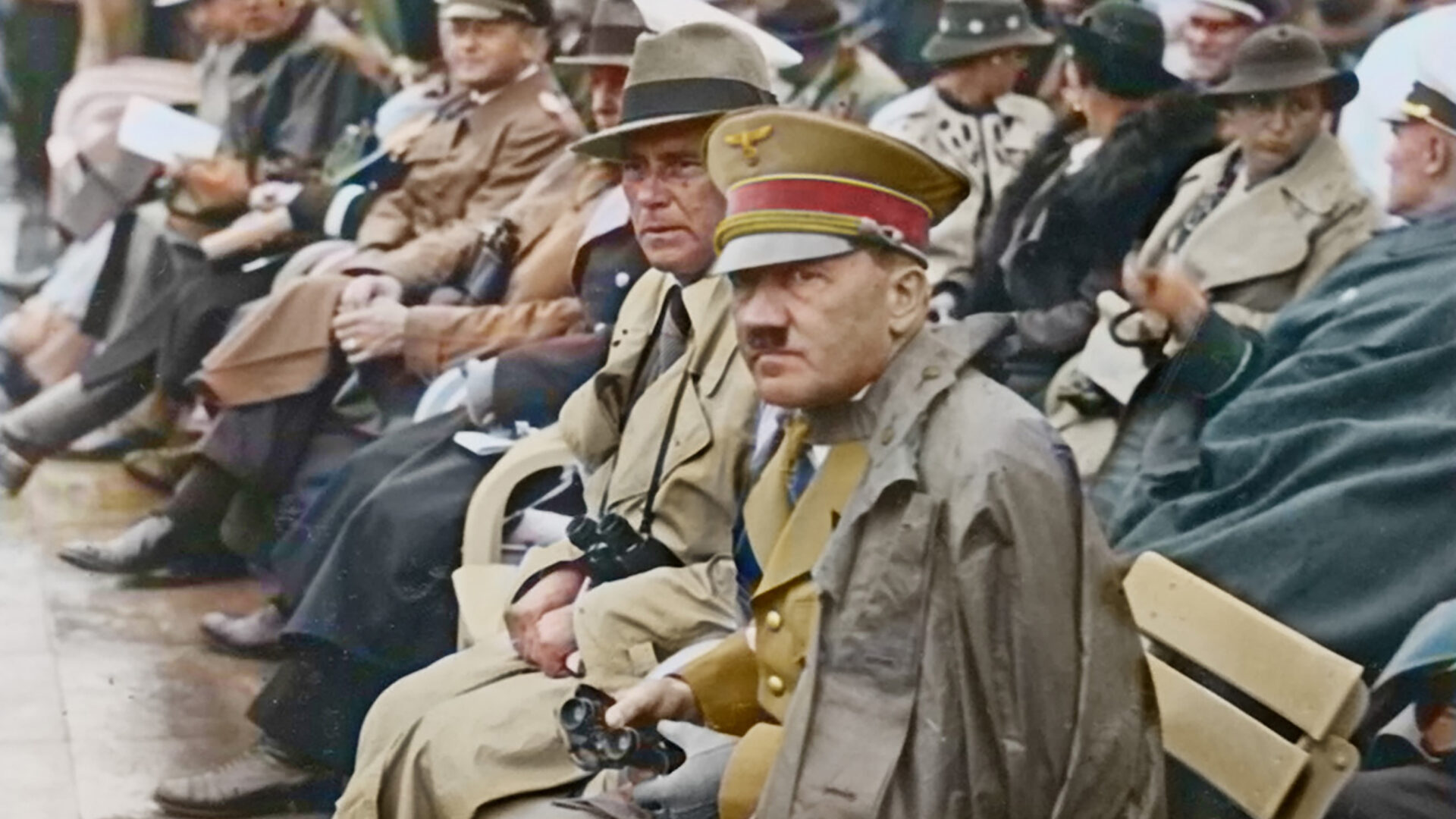
In the summer of 1936, Berlin staged what many observers called the most spectacular sporting event the world had ever seen. Hitler’s Games in Colour: Berlin 1936, now airing on Viasat History, cuts through that spectacle to reveal the calculated machinery of Nazi propaganda operating beneath the Olympic rings. Narrated by Stephen Mangan and directed by Jonathan Mayo, this documentary restores the Games to vivid colour, forcing viewers to confront both the athletic brilliance and the ideological darkness that defined that pivotal summer.
How Hitler’s Games Transformed Olympic History
The 1936 Berlin Olympics introduced two innovations that permanently shaped modern sport. Television cameras broadcast events live for the first time, reaching audiences across the Greater Berlin area through public viewing rooms. The torch relay – now an iconic Olympic tradition – was itself a Nazi invention, conceived by Carl Diem and choreographed to trace a symbolic line from ancient Greece to the Third Reich’s self-proclaimed civilisational inheritance. Hitler’s Games in Colour: Berlin 1936 examines how these genuine innovations were inseparable from their propagandistic purpose.
The Spectacle Built to Deceive
Joseph Goebbels and Albert Speer designed the Games as an architectural and theatrical statement. Anti-Jewish signs were quietly removed from Berlin’s streets. Foreign journalists were courted. The world was invited to admire a Germany that appeared orderly, confident and modern – while the Nuremberg Laws stripped Jewish Germans of citizenship just months before the opening ceremony.
Understanding Berlin 1936 Through Jesse Owens and Hidden Truths
No figure complicates the propaganda narrative more than Jesse Owens, whose four gold medals remain the enduring human story of those Games. Yet Hitler’s Games in Colour resists reducing his achievement to a simple rebuke of Nazi ideology. Owens himself noted that Hitler acknowledged him publicly – while President Roosevelt never sent a congratulatory telegram. The documentary’s colour footage transforms Owens from a historical photograph into a living presence, restoring the visceral reality of what he accomplished under extraordinary pressure.
The Legacy of Hitler’s Games in Colour
The documentary’s core argument is that 1936 established a template still relevant today – the use of mega-events to launder a regime’s international reputation. The term “sportswashing” is modern, but the practice was perfected in Berlin. Hitler’s Games in Colour: Berlin 1936 makes this connection legible without sacrificing historical specificity, grounding every observation in archival footage that carries undeniable emotional weight.
Where to Watch
Catch Hitler’s Games in Colour: Berlin 1936 on Viasat History on the following dates:
- Premiere
- Date: 15 August 2026 (Saturday)
- Time: 21:00 CET CEE
- See full TV schedule for additional dates
FAQ: Hitler’s Games in Colour: Berlin 1936
Q: Is Hitler’s Games in Colour: Berlin 1936 suitable for general history audiences? A: Yes. Directed by Jonathan Mayo and narrated by Stephen Mangan, the documentary balances accessible storytelling with serious historical analysis, making it compelling for both casual viewers and dedicated history enthusiasts.
Q: What makes the colourised footage significant in Hitler’s Games in Colour? A: Colour restoration removes the psychological distance that black-and-white imagery creates. It places athletes and officials in an uncomfortably familiar visual world, making the propaganda and the human stakes feel immediate rather than remote.