
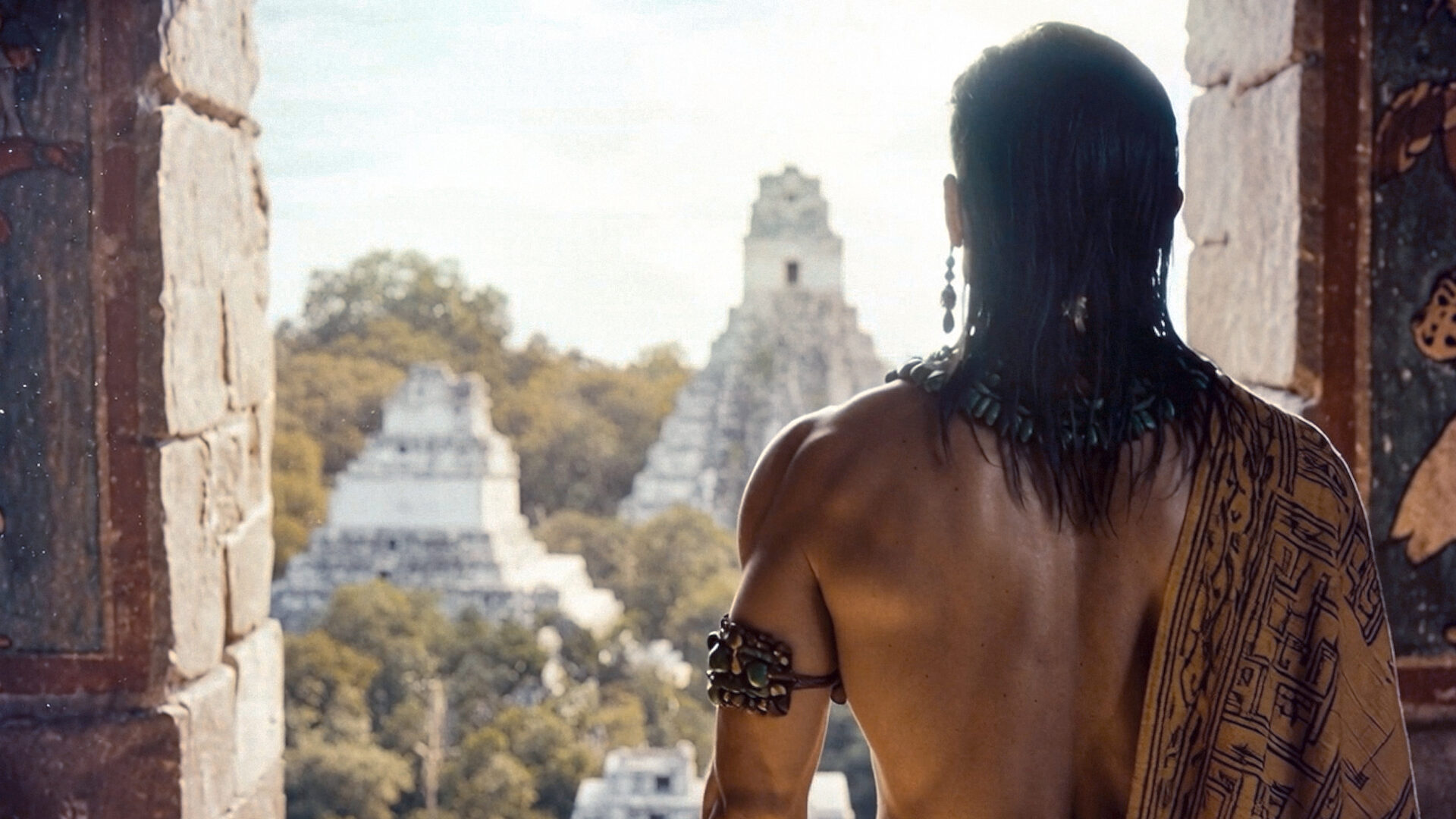
Few civilisations have captivated historians quite like the Classic Maya, whose cities, calendars, and cosmologies once dominated Mesoamerica. Yet for centuries, the true nature of their political world remained obscured. The Maya: The War of Five Kingdoms arrives on Viasat History to change that, drawing on landmark archaeological discoveries to reveal a civilisation locked in brutal, sophisticated warfare – a conflict that ultimately contributed to one of history’s most dramatic collapses.
The Untold Story of The Maya: The War of Five Kingdoms
For much of the 20th century, scholars imagined the Maya as relatively peaceful astronomers and priests. That picture has been shattered. The Maya: The War of Five Kingdoms explores how recent breakthroughs – including LiDAR aerial surveys revealing thousands of hidden structures beneath jungle canopies – have confirmed that Classic Maya kingdoms were engaged in near-constant military rivalry. The scale was staggering: fortifications, captive sacrifices recorded in stone, and political alliances that shifted like fault lines beneath the forest floor.
How Rival Kingdoms Shaped the Classic Maya World
At the heart of this documentary series is the tension between competing power blocs. The great city of Calakmul and its allies waged prolonged campaigns against Tikal, Palenque, and other rival centres across centuries. These were not minor skirmishes. Rulers such as Yuknoom the Great of Calakmul orchestrated regional hegemony through a combination of military force, dynastic marriage, and strategic tribute networks. Understanding this rivalry is essential to understanding how the Maya political world functioned – and why it fractured.
How Warfare Changed the Course of Maya History
The Maya: The War of Five Kingdoms makes a compelling case that endemic warfare was among the key drivers of the Classic Maya collapse between roughly 800 and 900 CE. Agricultural systems were disrupted, populations displaced, and trade routes severed. Importantly, the documentary avoids the trap of offering a single cause for the collapse – drought, environmental degradation, and internal political instability all feature as interlocking pressures. This nuanced approach reflects where serious scholarship currently stands.
The Legacy of The Maya: The War of Five Kingdoms
The Maya were never truly conquered by internal warfare alone – their descendants number in the millions today across Guatemala, Mexico, and Belize. What The Maya: The War of Five Kingdoms offers is not an epitaph but a recalibration: these were complex states, capable of extraordinary cultural achievement and devastating military ambition in equal measure. That combination feels, in its own way, strikingly familiar.
Where to Watch
Catch The Maya: The War of Five Kingdoms on Viasat History this August:
- Episode premieres
- Dates: 3 August 2026 (Monday) to 6 August 2026 (Thursday)
- Time: 18:45 CET CEE
- See full TV schedule for additional dates
FAQ: The Maya: The War of Five Kingdoms
Q: What new discoveries does The Maya: The War of Five Kingdoms cover? A: The documentary draws on recent LiDAR surveys and archaeological findings that have transformed understanding of Maya military infrastructure, settlement patterns, and inter-kingdom rivalries across the Classic period.
Q: Does the series explain why Maya civilisation collapsed? A: Yes. The Maya: The War of Five Kingdoms examines warfare alongside drought, environmental stress, and political fragmentation as interconnected causes, reflecting the current scholarly consensus that no single factor alone explains the collapse.